الوصف
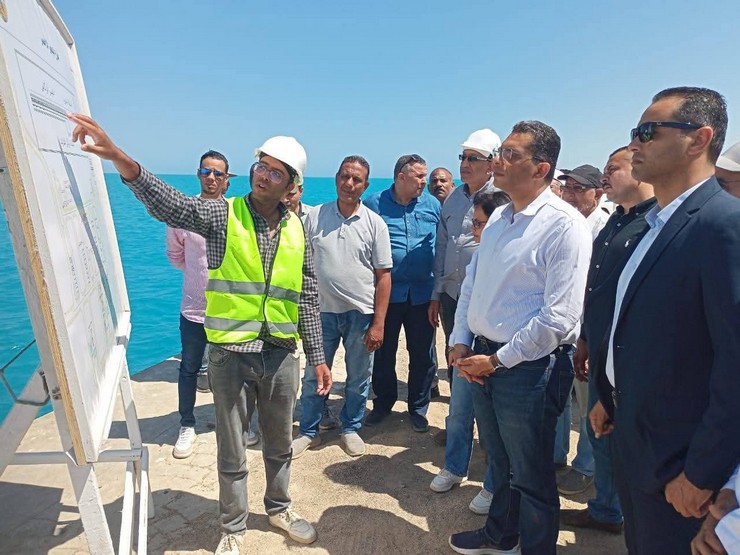
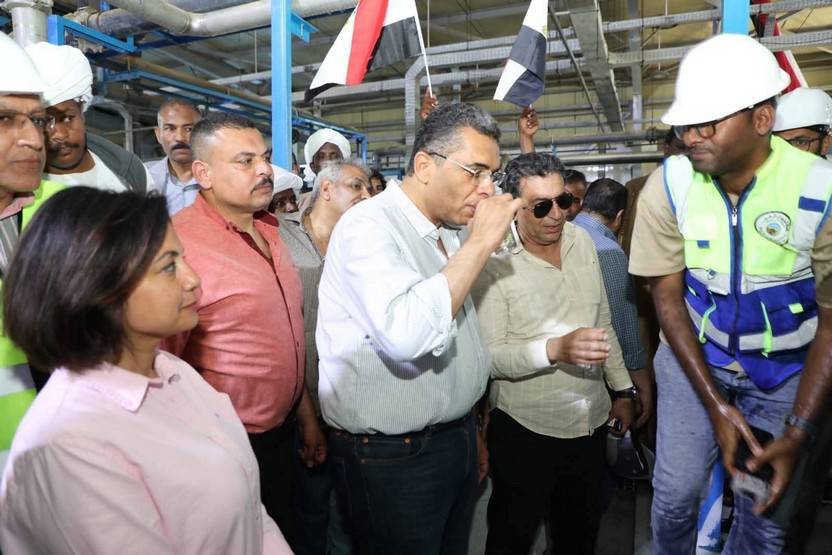
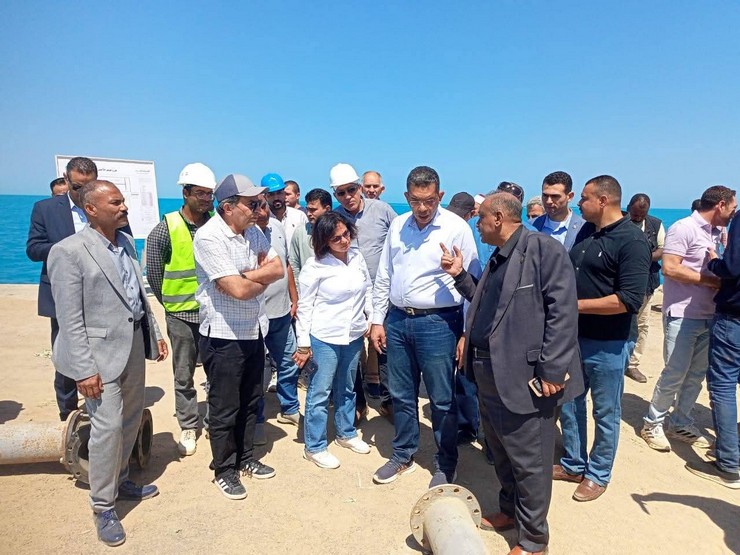
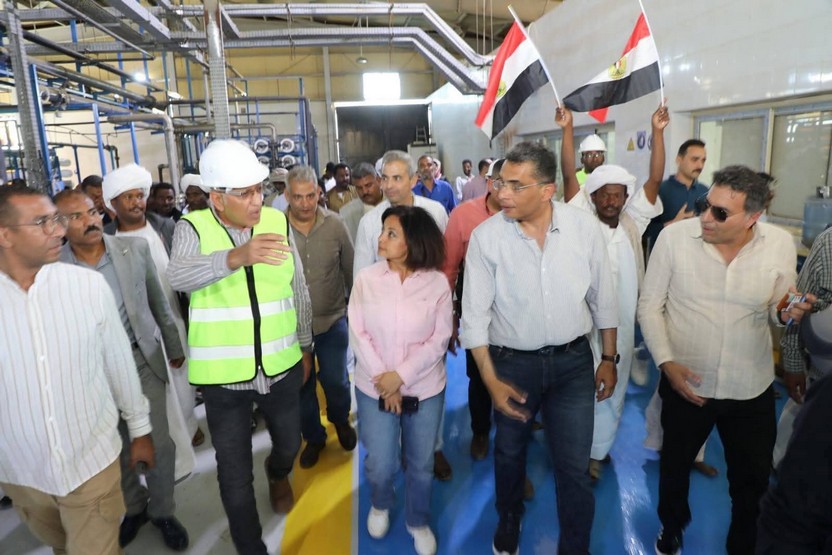
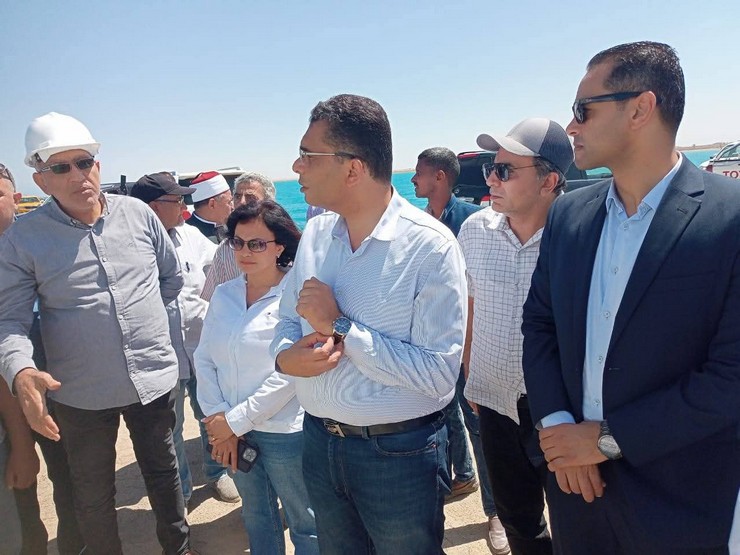
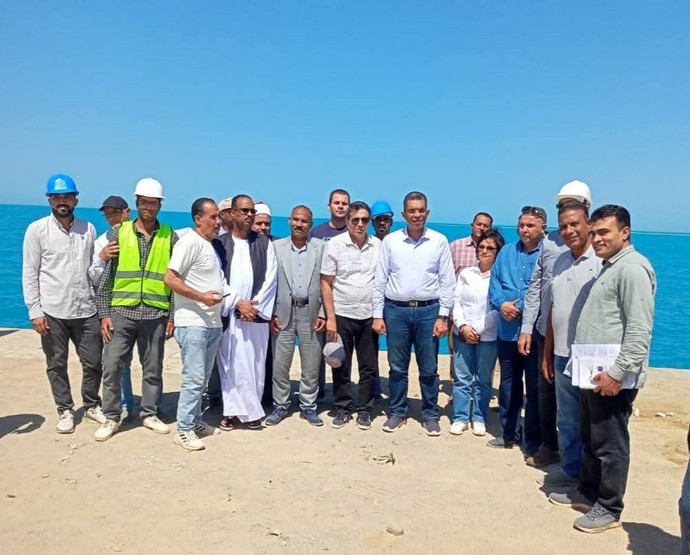
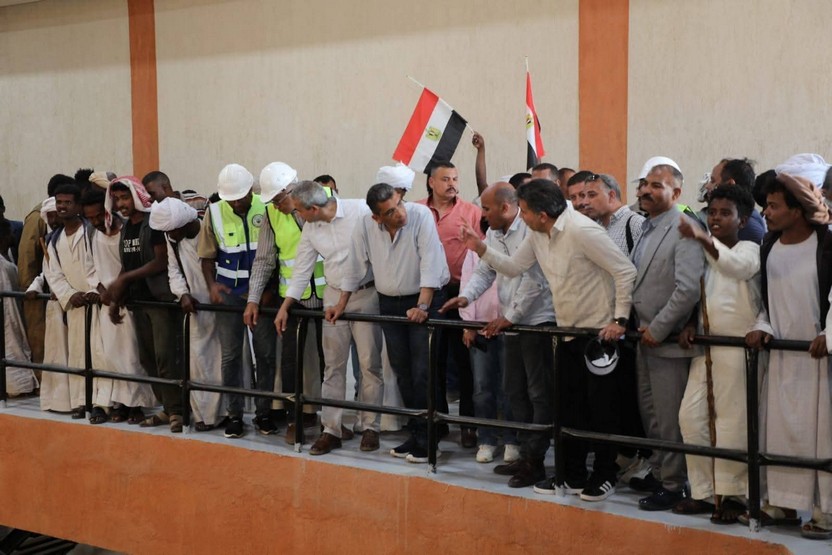
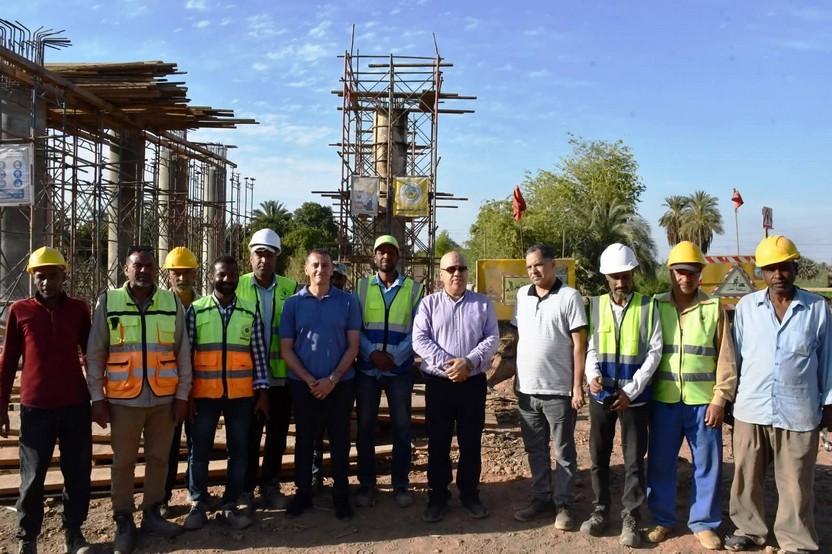
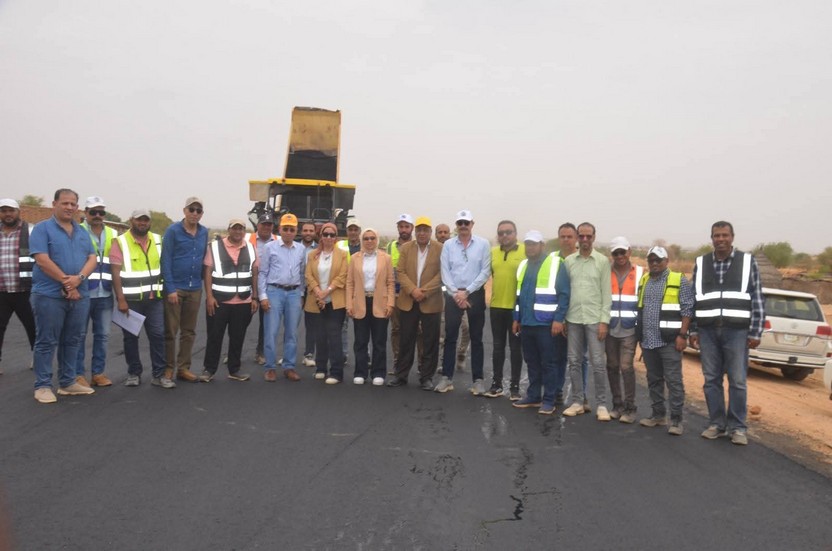
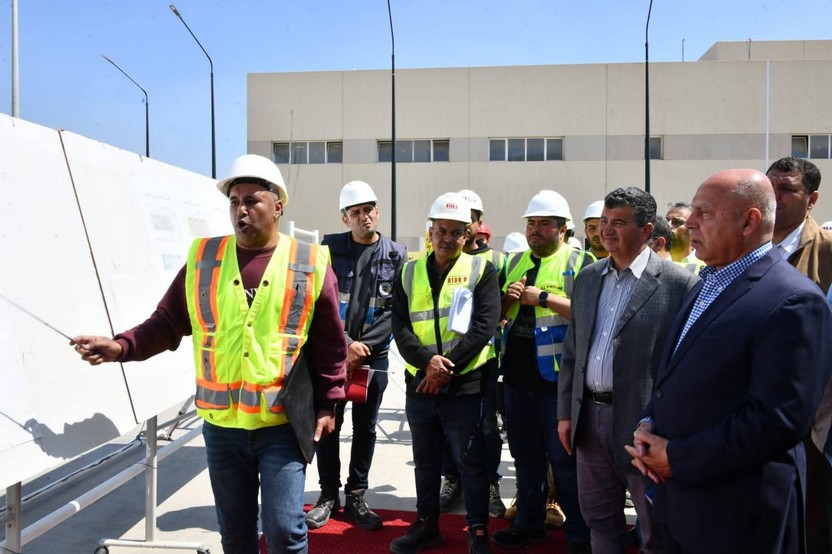
Dr. Walid El-Barqi, Governor of the Red Sea, inspected the Shalateen Fishing Port construction project.
المحتوى
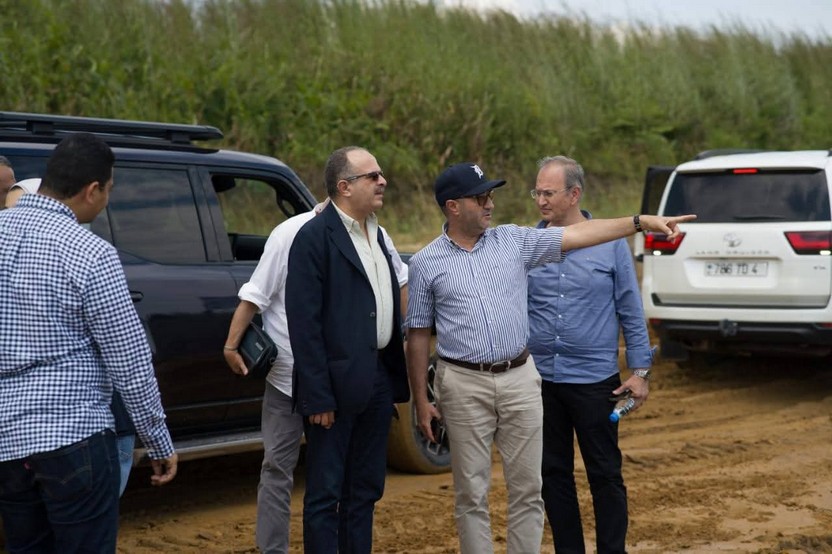
Dr. Walid El-Barqi, Governor of the Red Sea, inspected the construction project of the Shalateen Fishing Port, being implemented by the Arab Contractors Company, to review the latest progress and examine all on-site details. He was accompanied by Eng. Magda Hanna, Deputy Governor; Brigadier Mohamed El-Banna, Head of Shalateen City; and Major General Eng. Amr Roshdy, Head of the Red Sea Reconstruction Authority.
Also attending from the Arab Contractors Company were Eng. Yasser Mahsoub, Head of the South Valley and Red Sea Sector; Eng. Amr Abdel Salam Mohamed, Sector Head and Director of the Red Sea Branch; Eng. Hashem Madany, Deputy Branch Director for Shalateen and Halaib Projects; and Eng. Mohamed Essam, Director of Electromechanical Works.
The Shalateen Fishing Port is one of the largest economic development projects in southern Egypt, spanning a total area of 150,000 square meters with an estimated cost of EGP 588 million. Together with the Abu Ramad Port, it forms an integrated system aimed at completing the development of the region and increasing residential settlement.
The project aims to plan and implement specialized fishing ports that contribute to regional development, given its strategic importance as a hub for trade exchange between Egypt and Sudan. The project’s technical components include a large T-shaped marine jetty measuring 288 × 200 meters, with a berth depth ranging from 5 to 6 meters, enabling it to accommodate approximately 80 fishing vessels simultaneously.
The port also includes service, processing, and refrigeration areas covering 81,000 square meters, in addition to a tertiary treatment plant, an ice factory, sorting and packaging halls, and integrated administrative buildings.
During the tour, Dr. El-Barqi reviewed the progress rate, which has reached 80%, affirming that the project carries broad developmental and social dimensions. It aims to provide more than 1,500 job opportunities for local residents in processing, refrigeration, and service sectors, enhance the efficiency of marine fishing activities to support tourism and urban development in the south, and improve public services and infrastructure to meet international standards. This, in turn, opens new prospects for exporting marine products, increasing the added value of local production, and reducing waste through modern refrigeration and processing systems.